


Facing Separation or Divorce?
 
This is the book for you!
 

On these pages you'll find …

  • Tips on Parenting during and after Divorce
  • Divorce support, advice & strategies for parents
  • Parenting resources, coaching & teleclasses!
We're here for you & your children
before, during & after divorce!


Meet
Rosalind Sedacca, CCT
Rosalind Sedacca is an author, an award-winning professional speaker, and Certified Corporate Trainer specializing in both communication and relationship issues. She has facilitated workshops and seminars throughout North America on creating 'conscious' relationships for both singles and couples. Based on her own personal experience, she wrote How Do I Tell the Kids about the Divorce? A Create-a-Storybook Guide to Preparing Your Children - with Love! This internationally acclaimed ebook provides an innovative new approach to breaking the divorce news to your children and setting the stage for positive parenting ahead. At Rosalind's Child-Centered Divorce Network parents will find resources and tools to help them create successful outcomes for the entire family in the months, years and decades to come.
Experts Endorse Rosalind's Book …

"Rosalind's book is unique in that it offers parents an innovative approach to having that difficult and usually dreaded initial conversation with their children and making it as positive and supportive as possible. A parent contemplating a divorce would be well served by reading this valuable book."

Raoul Felder,
Celebrity Divorce Attorney

"Rosalind's brilliant book's non-judgmental, compassionate and no-nonsense approach will resonate with all divorcing parents – even those with the most challenging relationships. It is a critical piece of the divorce puzzle, and a must read!"

Cynthia Tiano, Esq.

"I highly recommend this as more than a book, but a tool to assist children to more successfully navigate the disorientation and maze that comes as part of divorce."

C. Paul Wanio, Ph.D., LMFT, LMHC

"This hands-on interactive storybook is a must for all parents going through a divorce. It is a step-by-step guide for appropriately including children in the process. No parent should leave their home without it!"

Sally Goldberg, PhD
Center for Successful Children

"Rosalind Sedacca has invaluable information to share with divorcing parents. There is no other book a couple needs to help them with the most difficult conversation a parent can have with a child, that their parents are getting divorced. You are VERY lucky to have found my partner in the peaceful divorce movement."

Belinda Rachman, Esq

"Rosalind Sedacca has just improved the lives of countless children. I have practiced divorce law for 44 years and will attest to the importance of how children are introduced to their parents' divorce. How Do I Tell the Kids about the Divorce? gives us something simple and sound to rely upon. There is absolutely no downside to Rosalind's storybook concept. It's all good and it beats anything else that I've come across. In fact, it's great and it is definitely something that the world has needed. The book is a winner and it is also a lifesaver."

J. Richard Kulerski, Esq

"Rosalind Sedacca has made a monumental contribution to self-help resources in an area that affects the lives of millions of men, women and children. After 32 years of counseling people in various stages of uncoupling, I can testify to the urgent need of a "how to" guide for people contemplating divorce. This book offers them a "life preserver." I have already referred my patients to this material and have received great feedback. I cannot recommend this book highly enough."

Beverly Gibel, LCSW, ACSW, BCD

"Rosalind Sedacca's 'How Do I Tell the Kids about the DIVORCE?' is a much needed breakthrough in the emotional minefield that parents traverse when they prepare their children for an impending divorce. The template, storybook strategy sends sensitive, kind, loving and safe messages which every child needs as they prepare for the scary unknown. I recommend her book for everyone who has children and is contemplating divorce."

Jack Singer, Ph.D.
Licensed Clinical & Forensic Psychologist, LCSW, ACSW, BCD

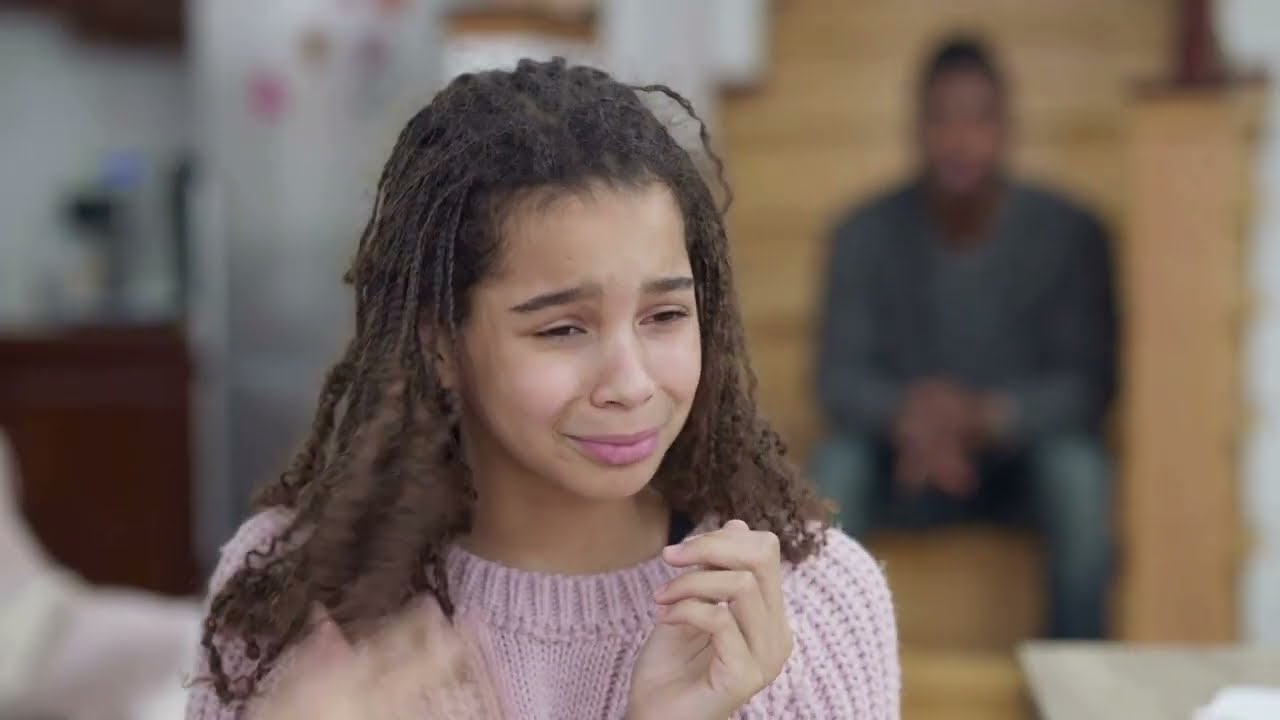
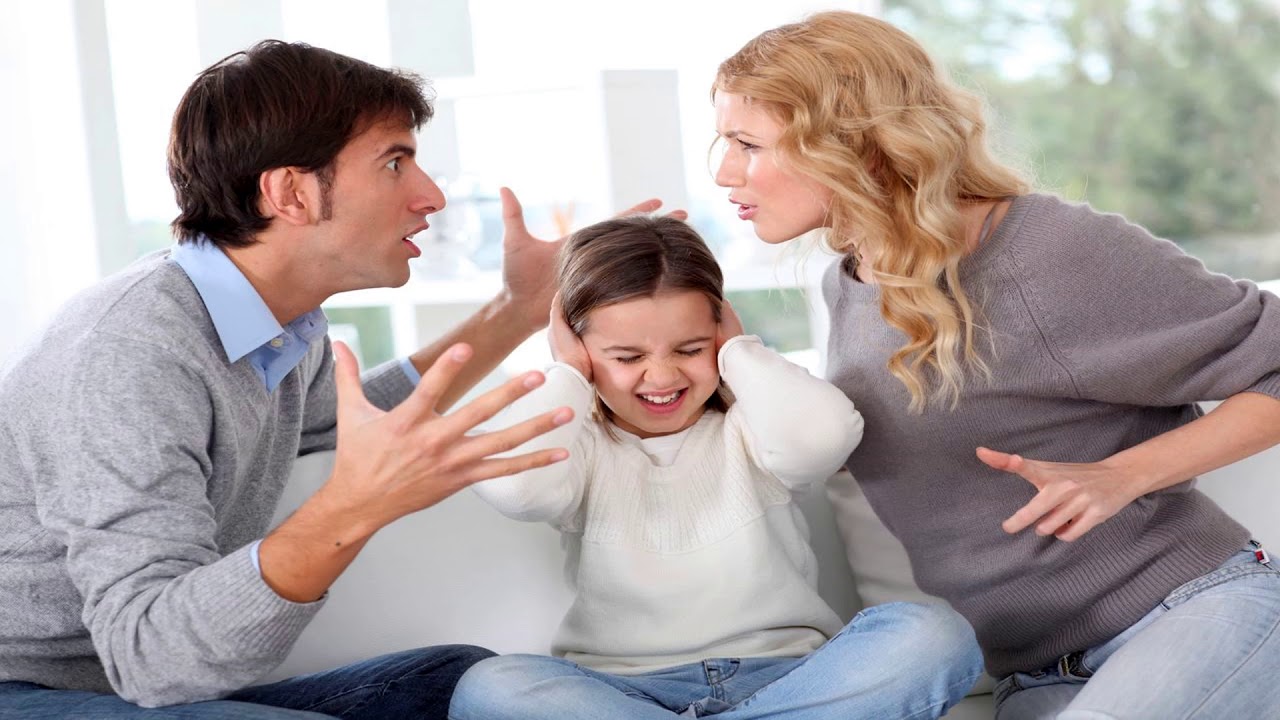
postheadericon Parental Discord – Not Divorce – Most Damages Children!

Is it divorce or parental discord that most damages children? Answers are finally coming in!

A recent article by marriage and family therapist Ruth Bettelheim has much to say on this topic that is both relevant and, quite surprising for many. That’s because she refutes common misconceptions about divorce and addresses the real issues of concern.

According to Bettelheim, “Studies conducted in the past 20 years have shown that on all meaningful measures of success — social, economic, intellectual and psychological — most adult children from divorced families are no worse off than their peers whose parents remained married.”

Researchers have found two explanations for this, notes Bettelheim. “Children who have to cope with their parents’ separation and post-divorce lives often grow resilient, self-reliant, adaptable and independent. And children benefit from escaping the high-conflict environment of a rocky marriage. After their parents’ separation, as conflicts fade, children recover.”

There is much to consider in those last two sentences. Children actually benefit from being out of high-conflict homes! In fact, studies show that it is “sustained family conflict that actually causes children to experience the kinds of problems that are usually attributed to divorce: low self-esteem, depression, high anxiety, difficulty forming relationships, delinquency and withdrawal from the world.”

Bettelheim goes on to say, “Given that reducing family conflict is good for children, the best way to protect them during divorce would be to minimize the acrimony of the proceedings.”

That is the foundation of a child-centered divorce. My supporters and I have long contended that it is not divorce per se but the way parents handle divorce that harms their children. From time to time I am contacted by emotionally charged parents who are vehemently “anti-divorce.” While they acknowledge I am well-meaning in my efforts, they point their finger at divorced parents and blame them unequivocally for destroying their children’s lives.
In reality, life is not black and white, nor are the consequences of divorce. While I certainly do not advocate divorce as a solution to marital discord, in many cases it’s a saner solution than living together in a toxic marriage.

I speak from experience when I say this because I am a child of parents who should have divorced – and didn’t. The emotional scarring I experienced is basically the same as felt by children of parents who make damaging divorce mistakes. The insecurity, lack of self-esteem, anxiety, depression, sadness, guilt and shame I carried through my childhood were the consequences of parents so caught up in their emotional drama they had little awareness of what their turmoil was creating for their children.

Divorced or not, when we make decisions that that don’t take children’s fragile psyches into account, the outcome is painful for those children!

Bettelheim makes a strong case for divorce mediation as a resource to keep parents from making destructive, vindictive decisions about custody and child support. She’s totally right. She ends her piece saying, “In an adversarial custody battle, no one wins, but children are the biggest losers of all. Intelligent legislation could promote the one thing that children of divorce need most: peace between their parents.”

The truth is, all children need and deserve peace between their parents. Let’s focus less on judgmental, self-righteous finger-pointing and more on educating all parents about harmonious, effective parenting – and we’ll all be better off!

* * *
Rosalind Sedacca, CCT is the author of How Do I Tell the Kids about the Divorce? A Create-a-Storybook™ Guide to Preparing Your Children — with Love! Acclaimed by divorce professionals, the book provides fill-in-the-blank templates that guide parents in creating a family storybook with personal photographs as an ideal way to break the news. For more details, a free ezine, articles, coaching and other resources visit http://www.childcentereddivorce.com.

2 Responses

  • It’s difficult for me to comment on this post, Rosalind. I agree with many points. Yes, of course children don’t do well in high conflict environments (whether it’s in a high conflict marriage or divorce). And yes, if you want to have a contest about what hurts a child more, a high conflict marriage most probably scars a child more than a low conflict divorce.

    But here are my problems. High conflict marriage very rarely turn into low conflict divorces. And many low conflict marriages turn into high conflict divorces. Divorce offered as the solution to conflict is fallacious. The other thing I often dislike reading is research findings claiming that children of divorce are doing ‘fine’ as measured against children of intact families. Because I am a child of divorce who is married, a mother, educated, a professional,a home owner, etc. But none of that means that my parent’s divorce didn’t damage me or that it doesn’t affect me still, thirty years later, every single day. The markers that researchers are using to show the long term effects of divorce are laughable.

    But here’s what I most dislike about articles such as this one. It sounds so positive. The title is even ended with an exclamation mark. It could almost read, ‘Hooray! Don’t let your kid’s pain hold you back from divorcing because divorce doesn’t hurt them, conflict does!’

    It’s ridiculous. Divorce is painful for kids. Even when it ends high conflict marriages. And a divorcing parent needs to focus not solely on co-parenting amicably but also on helping their child through the pain they will endure.

    I’m not an advocate for staying in an unwanted marriage. But I am an advocate for children of divorce. Conflict after divorce is merely adding insult to injury. But ignoring the injury in the hopes that cooperative co-parenting will heal all is hardly any better.

  • Thanks for your heartfelt comments, Carolyn. I appreciate your sincerity and value your perspective. I agree with all you say but want to emphasize that divorce and parenting is not a black and white issue and no one perspective will ever encompass all facets of this complex topic.

    We are both strong advocates for children of divorce. We both know the consequences of divorce done wrong. That’s why I believe it’s so important to educate parents about the role that high conflict plays in the life of children – divorce or not. I didn’t mean for the article to sound positive about divorce. I wanted to emphasize that for too long divorce has been the blame factor for family dysfunction.

    The real truth is that dysfunctional families that stay together without divorce create the same damage, emotional scars and life-long pain as those coping with divorce. I say this because my parents should have divorced and didn’t. My pain never ended and life would have been better for us all if my two angry, constantly battling parents had moved apart.

    They didn’t realize the enormous psychological effect their horrific relationship had on me. But I now see it’s little different than what children of divorce have experienced: pain, insecurity, fear, anxiety, guilt, blame – the list goes on and on.

    While it’s true that many high conflict marriages result in high conflict divorces, I believe it’s essential for us all to help bring attention to the affect of conflict on children. By blaming divorce per se, we minimize the true demons – and that was the point of my article.

    I know we can find a middle ground of support for one another in our efforts on behalf of children of divorce so we can continue to fight the good fight. Again, I thank you for your sincere commentary and encourage you to continue this dialogue with me and our followers.

    By the way, July is National Child-Centered Divorce Month and I hope you’ll join me in reaching out to media everywhere to help educate parents and legal professionals about the real effects of divorce on children.

Leave a Reply


Considering, moving through or beyond Divorce?

Get your free copy ofPost-Divorce Parenting: Success Strategies For Getting It Right! by Rosalind Sedacca, CCT
packed with valuable advice, tips, resources and more!

Note: I hate SPAM just as you do! Your email address will never be Rented, Sold, or Traded with any third party.
NEW from Rosalind Sedacca!
8-hr Child-Centered Divorce
Audio Coaching Program for
Co-Parenting Success!
CLICK HERE
Mastering Child-Centered Divorce 8-Hr Audio Coaching Program

Putting Kids first


“Putting My Kids First” Personal Coaching Program

Putting Kids first


Rosalind Sedacca’s
Court-Approved
Divorce Anger Management Course
Online lessons, videos, quizzes!
CLICK HERE
Dating again? Rosalind Sedacca
shares valuable tips for success: NEW
10-week Dating Rescue! eCourse for Women
CLICK HERE
Affiliated With
Terms & Conditions | Copyright Notice | Privacy Policy | Affiliates | Returning Affiliates